You can learn CPR!
Fun, safe, and informative.
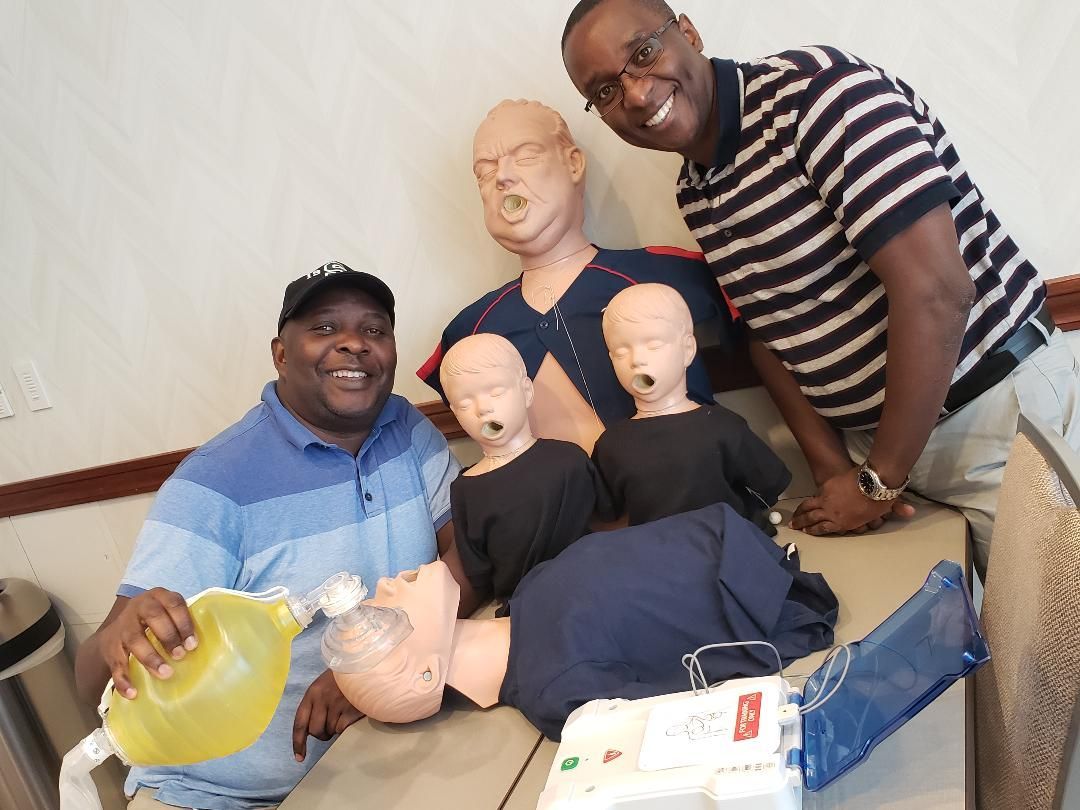
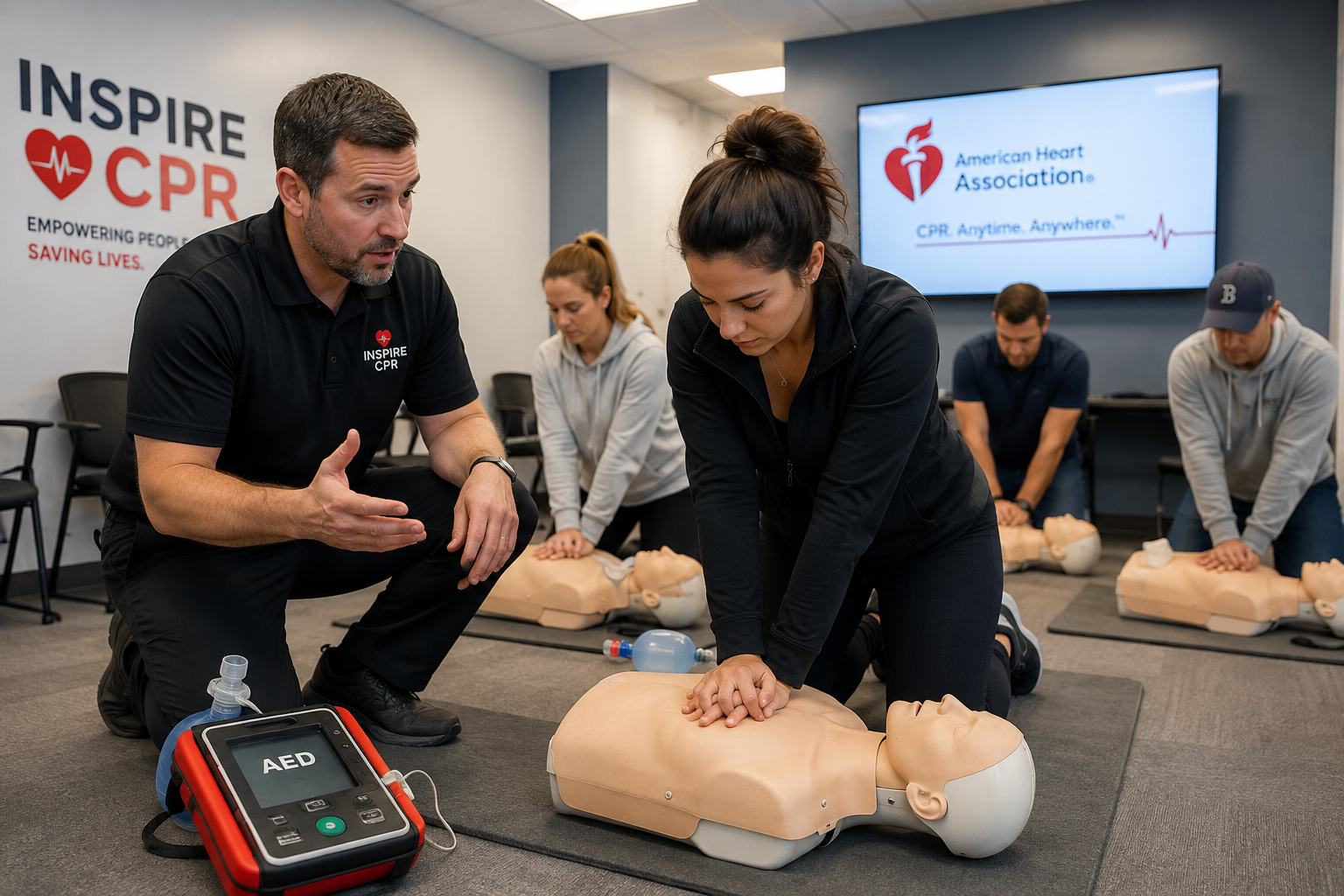
Many people assume CPR training is serious, stressful, or even intimidating. While the skills are critical, the learning environment doesn’t have to be overwhelming. In fact, the most effective CPR training often happens in a setting that is engaging, supportive—and yes, even a little fun.
1. Learning Without Fear Improves Confidence
When students feel comfortable, they’re more likely to ask questions, practice freely, and actually retain what they learn.
2. Hands-On Practice Makes Skills Stick
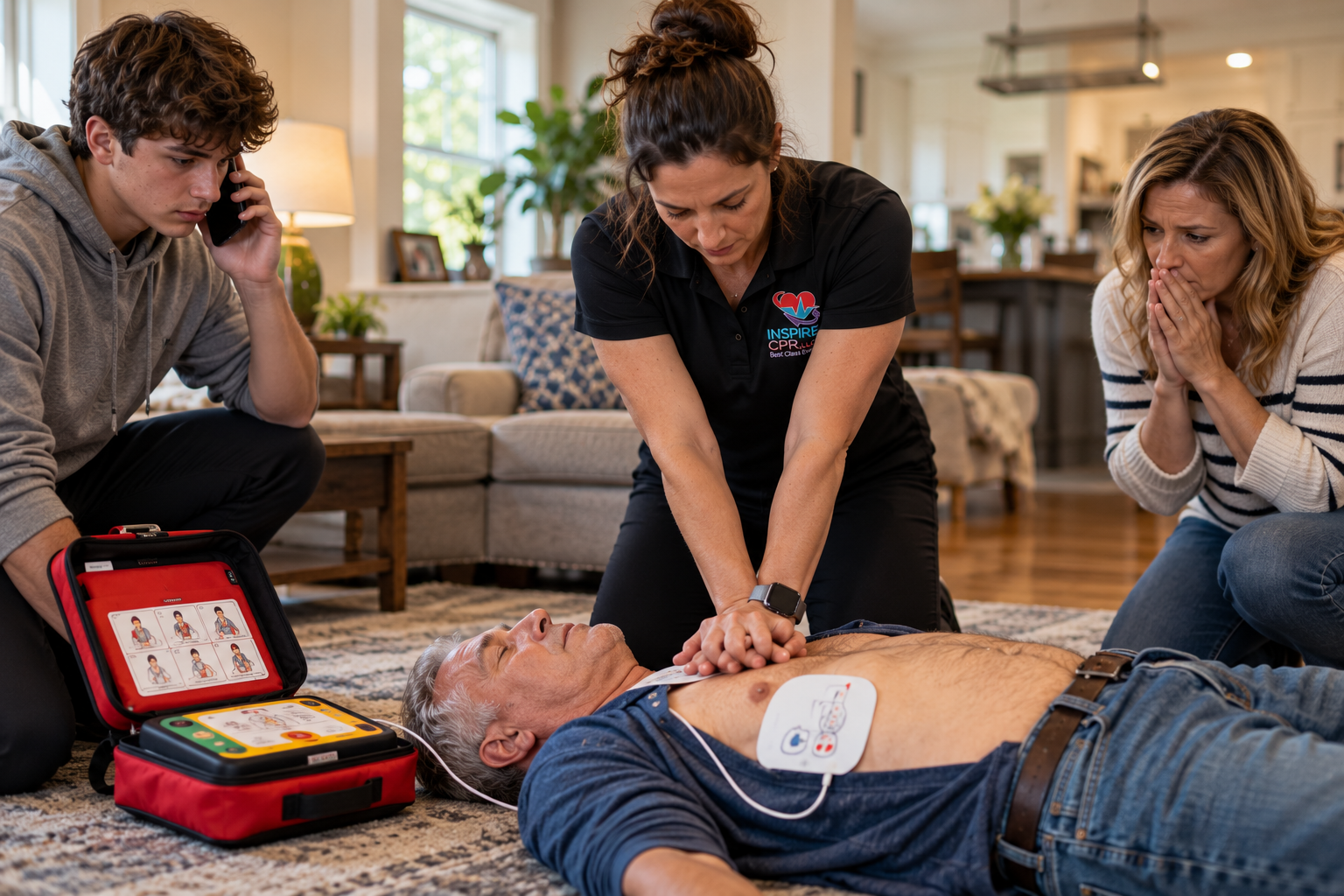
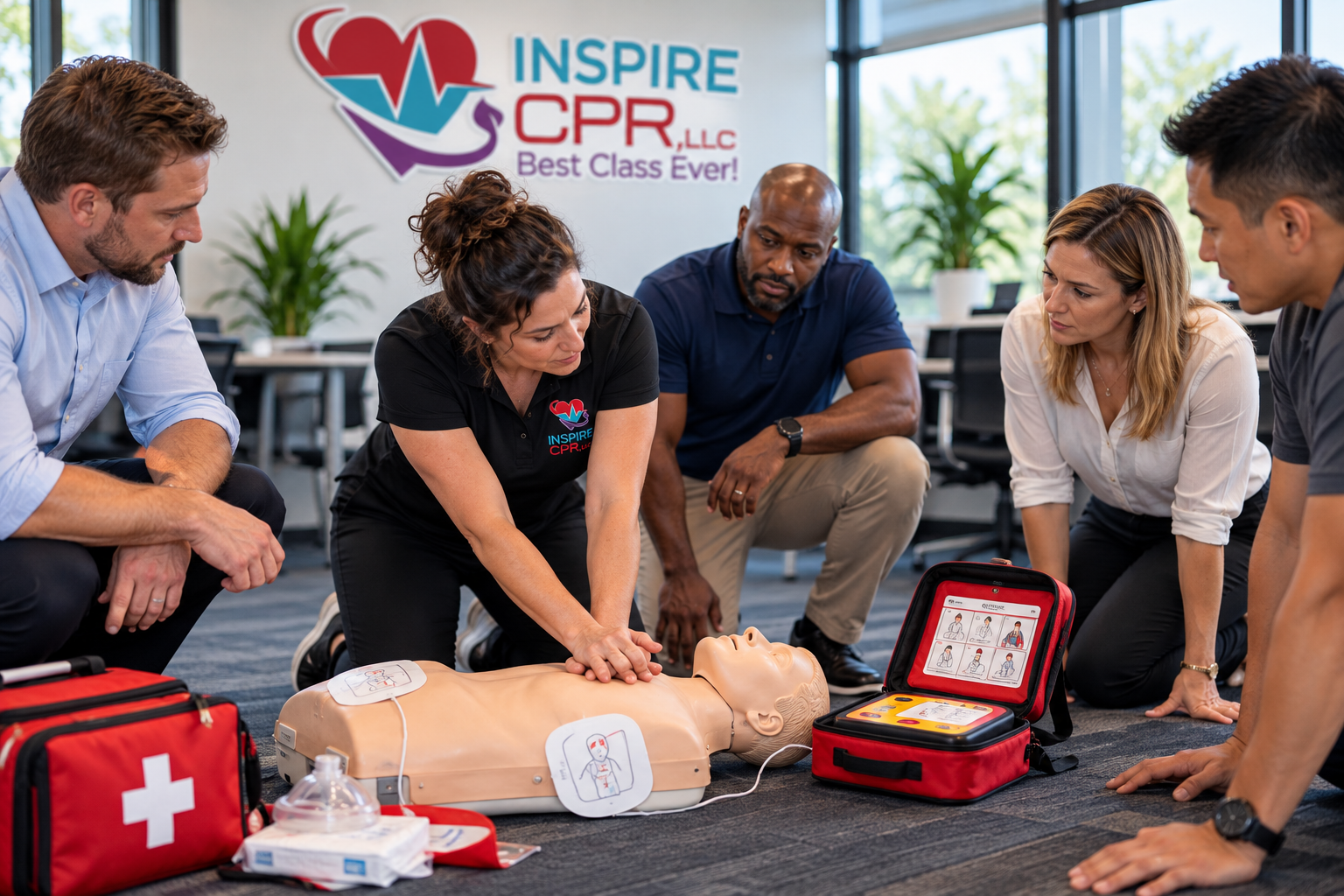
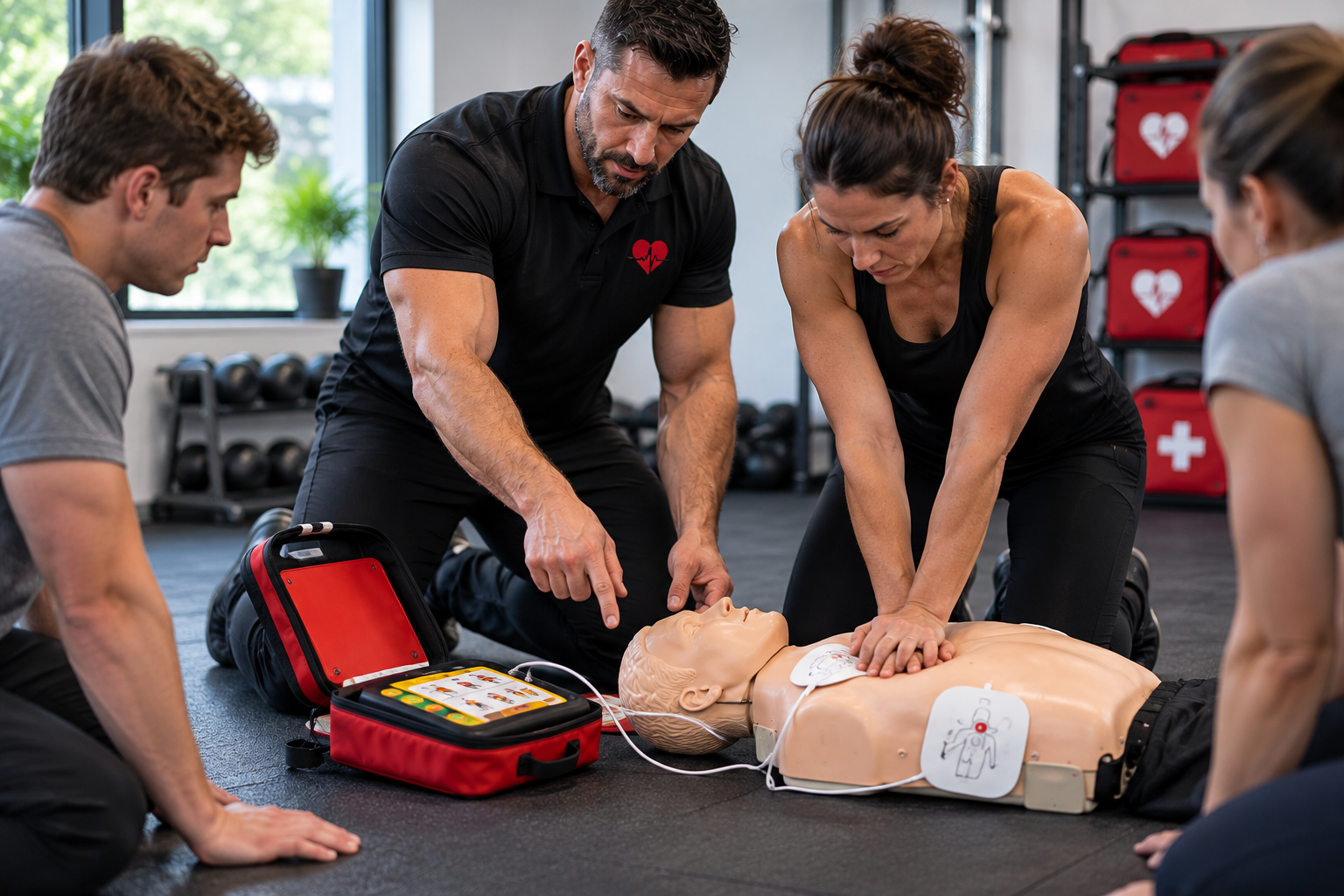
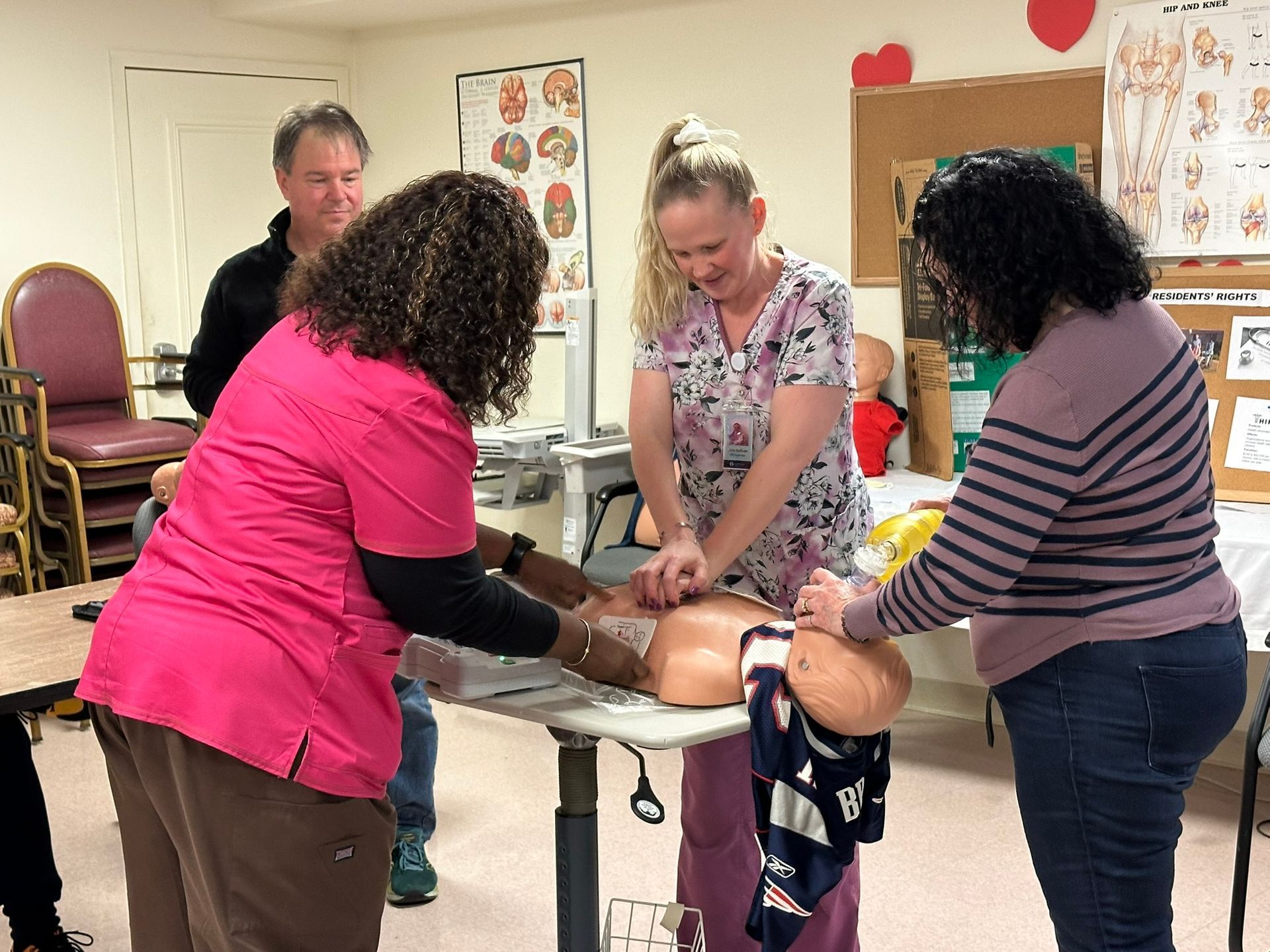
CPR isn’t just something you memorize—it’s something you do. Interactive, hands-on training helps build muscle memory so you’re ready to act in real situations.
3. Engaging Techniques Help You Remember
Creative teaching methods—like using rhythm or familiar songs—can make a big difference. Many people remember CPR timing by thinking of the beat to “Stayin’ Alive,” making it easier to respond confidently under pressure.
4. A Supportive Environment Encourages Everyone
Whether you’re a healthcare professional renewing certification or a parent learning for the first time, a welcoming environment makes all the difference.
Conclusion / CTA
At Inspire CPR, we believe learning life-saving skills should be practical, engaging, and confidence-building. When you feel comfortable and supported, you’re far more prepared to act when it matters most.